Introduction
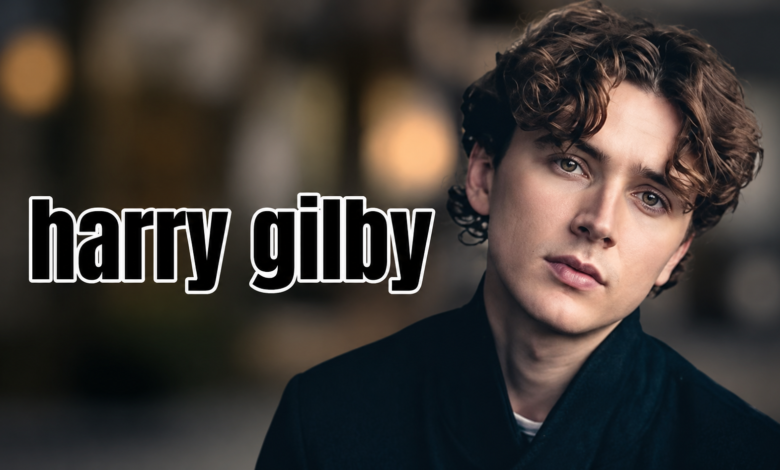
Harry Gilby is a talented British actor who has gained attention for his natural acting style, emotional performances, and strong screen presence. He is best known for his work in Just Charlie, Tolkien, The Last Kingdom, The Last Kingdom: Seven Kings Must Die, Boarders, and My Fault: London. His career shows a positive rise from theatre and early television roles to major film and streaming projects.
At the same time, Harry Gilby’s public profile remains private in many personal areas. This can be negative for fans searching for details such as net worth, salary, religion, or relationship status, because such information is not officially confirmed. However, this privacy also gives him a professional image, allowing his acting work to remain the main focus.
Quick Bio
| Detail | Information |
|---|---|
| Full Name | Harry John Gilby |
| Date of Birth | 21 August 2001 |
| Age | 24 years old |
| Birthplace | Nottingham, England |
| Nationality | British |
| Profession | Actor |
| Known For | Just Charlie, Tolkien, The Last Kingdom, Boarders |
| Career Start | 2016 |
| Parents | Helen Gilby and Neil Gilby |
| Education | Sutton Bonington Primary School, Trent College, Television Workshop |
Early Life and Education
Harry Gilby was born in Nottingham, England. He spent his early years in the United Kingdom and developed an interest in acting at a young age. His background in Nottingham played an important role in shaping his early personality and creative confidence. Unlike many young actors who become famous through sudden online attention, Harry Gilby built his career through training, theatre, and screen work.
For education, Harry Gilby attended Sutton Bonington Primary School and later Trent College. He also trained at the Television Workshop in Nottingham, a well-known acting training centre. This early training helped him understand performance, dialogue, character development, and stage discipline before entering larger television and film projects.
Start of Acting Career
Harry Gilby began his screen career in 2016 with the television drama Jericho. This early role gave him professional exposure and helped him move toward more serious acting opportunities. Starting young was a positive step for his career because it allowed him to gain confidence in front of the camera.
His real breakthrough came in 2017 with the film Just Charlie. In this film, Harry Gilby played Charlie Lyndsay, a young footballer dealing with personal identity and emotional challenges. The role was powerful, sensitive, and demanding, and it helped him earn recognition as a promising young British actor.
Breakthrough with Just Charlie
Just Charlie became one of the most important projects in Harry Gilby’s early career. His performance was praised because he handled a complex role with honesty and emotional depth. The film gave him visibility in the British independent film scene and proved that he could carry a serious story as a lead actor.
Harry Gilby received award nominations for his work in Just Charlie, including recognition from the British Independent Film Awards and the National Film Awards UK. This was a positive achievement because it showed that critics and industry professionals noticed his talent early in his career.
Role in Tolkien
In 2019, Harry Gilby appeared in Tolkien, a biographical drama about the early life of famous author J.R.R. Tolkien. He played the younger version of Tolkien, while the adult role was played by Nicholas Hoult. This film introduced Harry Gilby to a wider international audience.
His role in Tolkien was important because it connected him with a major literary and cinematic story. Although it was not the lead adult role, his performance helped show his ability to work in historical and character-based drama. This added another strong credit to his growing career.
The Last Kingdom and International Recognition
Harry Gilby gained wider popularity after appearing as Æthelstan in The Last Kingdom. This historical drama already had a strong fan base, and his character became important in the later part of the story. His performance helped him reach viewers beyond the UK.
He later returned as Æthelstan in The Last Kingdom: Seven Kings Must Die. This role became one of his most recognized performances. It was a positive turning point because it placed him in a major Netflix-linked historical production and helped strengthen his international reputation.
Recent Career Work
Harry Gilby continued expanding his career with roles in modern television and film. He appeared in Boarders, where he played Rupert, showing that he could work in a contemporary school-based drama setting. This helped him move beyond historical roles and reach younger audiences.
He also appeared in My Fault: London as Dan and in Malice as Kit Tanner. These projects show that Harry Gilby is building a diverse career across drama, romance, thriller, and youth-focused storytelling. This variety is important for long-term success because it prevents him from being limited to one type of role.
Career Overview
Harry Gilby’s career includes television, film, short films, and theatre. His known screen credits include Jericho, Just Charlie, Tolkien, Casualty, Grantchester, The Last Kingdom, The Last Kingdom: Seven Kings Must Die, Boarders, My Fault: London, and Malice.
This career path shows steady growth rather than overnight fame. The positive side is that Harry Gilby has developed credibility through performance-based roles. The negative side is that, compared with some mainstream celebrities, there is still limited public information about his personal life and future projects.
Parents and Family Background
Harry Gilby’s parents are Helen Gilby and Neil Gilby. Public information about his family is limited, and he appears to keep his private life away from unnecessary media attention. This makes his biography more focused on his acting journey than personal publicity.
This privacy should be respected because not every actor shares family details publicly. A factual article about Harry Gilby should avoid adding unverified claims about siblings, relationships, children, or private matters unless confirmed by reliable public sources.
Net Worth, Salary, Religion, and Relationship Status
Harry Gilby’s confirmed net worth and salary are not publicly available. Any exact figures found online should be treated as unverified unless confirmed by the actor or official sources. For this reason, this article does not include estimated financial details.
His religion, relationship status, wife or husband details, children, height, weight, and ethnicity are also not confirmed through reliable public sources. Adding such information without proof would reduce the accuracy of the article. A strong biography should focus only on facts that are publicly supported.
Acting Style and Strengths
Harry Gilby is known for emotional and thoughtful performances. His roles often require sensitivity, especially in stories involving identity, pressure, youth, and personal growth. His acting style feels natural, which helps audiences connect with his characters.
One of his strengths is versatility. He has worked in independent film, historical drama, modern television, and streaming productions. This positive range suggests that Harry Gilby has the potential to continue growing as a respected British actor.
Legacy and Future Potential
Harry Gilby is still young, so his legacy is developing. However, he has already built a meaningful place in British film and television. His work in Just Charlie gave him early critical recognition, while The Last Kingdom helped him gain international attention.
His future looks promising if he continues choosing strong roles. The positive side of his career is his talent, training, and growing list of respected projects. The negative side is that he has not yet reached the global celebrity level of older actors, but his career progress shows clear potential.
Conclusion
Harry Gilby is a rising British actor with a powerful and inspiring career journey. From Nottingham to theatre, television, independent film, and international streaming projects, he has shown dedication and skill. His performances in Just Charlie, Tolkien, and The Last Kingdom have made him a name to watch.
A complete biography of Harry Gilby should remain honest and factual. Since many personal details are not publicly confirmed, it is better to focus on his verified achievements, acting career, education, early life, and professional growth. His journey is still unfolding, and his best work may still be ahead.
FAQs
Who is Harry Gilby?
Harry Gilby is a British actor known for Just Charlie, Tolkien, The Last Kingdom, Boarders, and My Fault: London.
What is Harry Gilby’s full name?
His full name is Harry John Gilby.
When was Harry Gilby born?
Harry Gilby was born on 21 August 2001.
Where is Harry Gilby from?
He is from Nottingham, England.
What is Harry Gilby famous for?
He is famous for playing Charlie in Just Charlie, young J.R.R. Tolkien in Tolkien, and Æthelstan in The Last Kingdom.
Is Harry Gilby’s net worth confirmed?
No, Harry Gilby’s official net worth is not publicly confirmed.
Is Harry Gilby married?
There is no reliable public confirmation about Harry Gilby being married.
What was Harry Gilby’s career breakthrough?
His breakthrough role was in the 2017 film Just Charlie.